
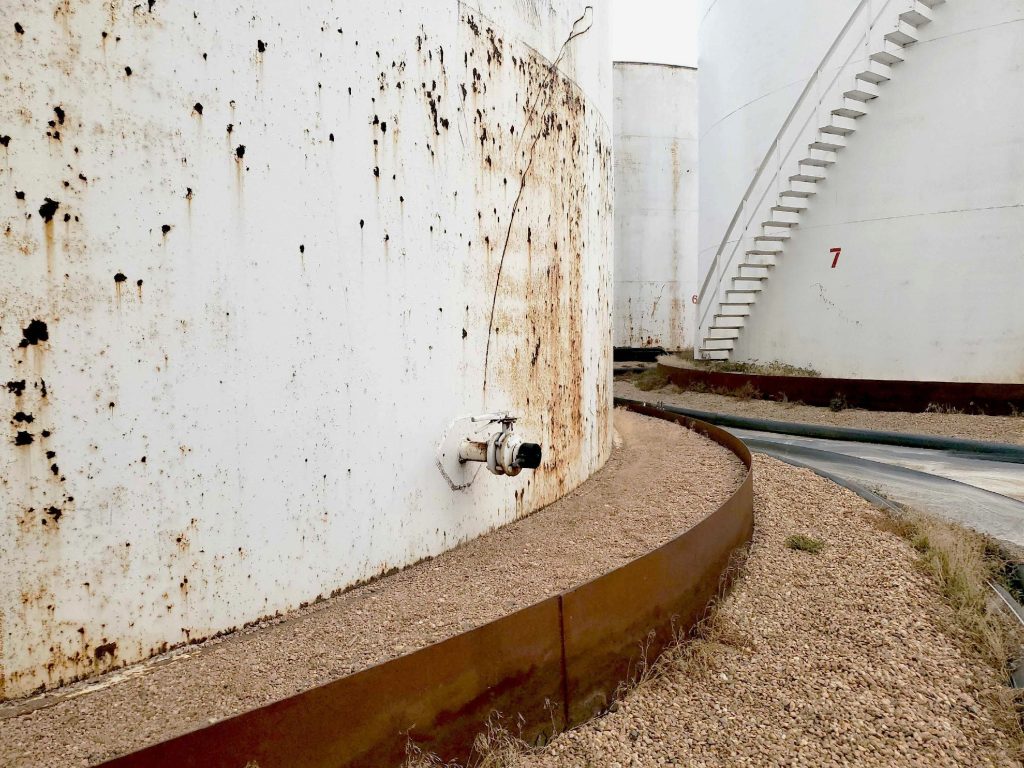
Proper storage tank maintenance is essential to preserving liquid fertilizer quality, extending tank life, and protecting your investment. Choosing the right tank, performing routine inspections, and following recommended maintenance practices can help prevent corrosion, reduce product loss, and improve long-term reliability.
Whether you're installing a new tank or maintaining an existing one, these best practices can help keep your liquid fertilizer storage system performing at its peak. A damaged tank that fails can cause chemical accidents that damage both environmental and human life.
1. Use a Tank Designed for Liquid Fertilizer
An existing tank isn't necessarily suitable because it physically holds liquid. They need to account for the gravity of the specific product to be stored.
Proper tank design and construction are essential to maintaining long-term tank integrity. A liquid fertilizer storage tank must be built to withstand the demands of the product it stores, including its specific gravity and the specific demands placed upon a full tank by the product. Quality construction and welding help ensure the tank can safely withstand these stresses over time. The U.S. Environmental Protection Agency also identifies tank design, construction, inspection, and maintenance as important factors in preventing liquid storage tank failures.
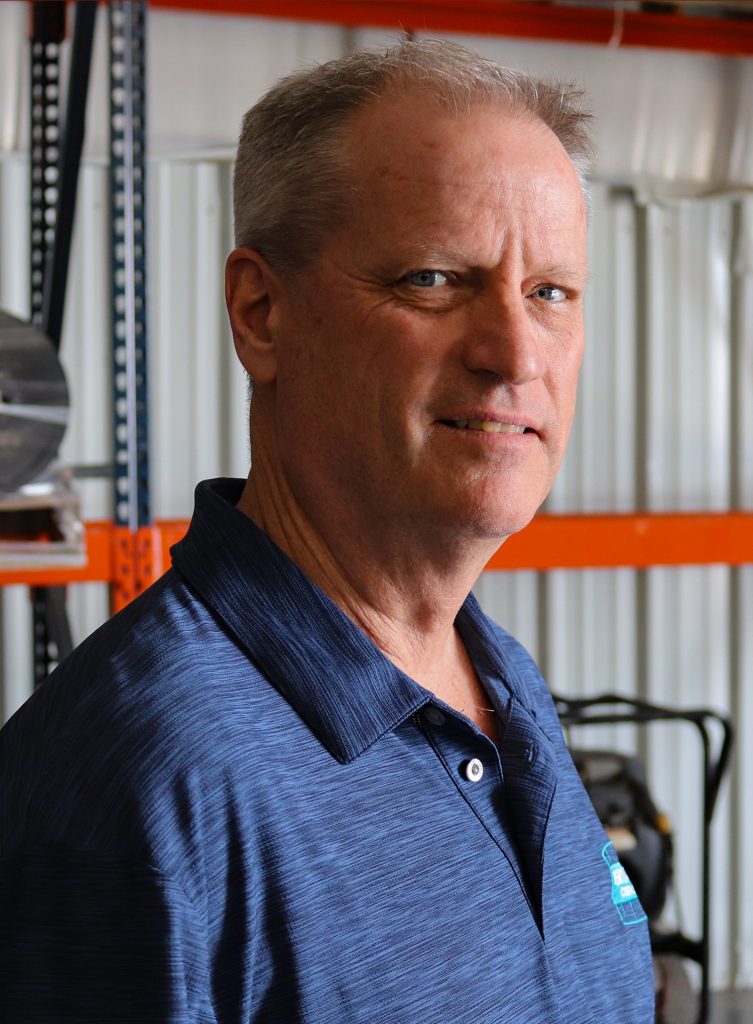
Brian Hasselbring of Heartland Tank Services explains, "Retailers should be careful not to use liquid storage tanks originally designed for oil or water. Such tanks will not handle a full fill with the weight (specific gravity) of most fertilizers."
2. Choose the Right Tank Material
The best storage solution depends on both the type and volume of fertilizer being stored. According to Brian Hasselbring, "We recommend stainless steel, carbon steel or fiberglass tanks for smaller quantities of most starter fertilizers. For larger, field-erected storage tanks, we recommend API 650 welded steel tanks with internal PVC flexible liners. Internal liners meet containment rules in most states and provide corrosion protection."
Internal PVC liners help protect the steel shell from corrosion, extend tank life, preserve product quality, and help many facilities meet containment requirements.
3. Protect Your Investment with Routine API 653 Inspections
A tank's age, usage history, and operating condition all factor into the need for an inspection. Even the best-built storage tank corrode and break down as they age. An API 653 certified inspector can determine what steps need to be taken to ensure your tank's viability. Booking and conducting those inspections are the responsibility of the tank owner.
Heartland recommends following The Fertilizer Institute's guidance by scheduling API 653 inspections approximately every five years. These inspections evaluate the condition of the tank shell, roof, floor, welds, and other structural components, helping identify corrosion, deterioration, or other developing issues before they become costly repairs.
Welds deserve particular attention because defects in welded joints can compromise tank integrity. Certified inspectors may use visual inspection and nondestructive testing methods that aren't visible during a routine exterior inspection.
Routine inspections not only improve safety but also help maximize the service life of your storage assets.
4. Monitor Your Tank Between Inspections

Professional inspections are only one part of an effective maintenance program. Regular routine checks by operators are beneficial as well. Operators should watch for:
- Leaks or evidence of fertilizer escaping from the tank
- Corrosion, particularly around the tank base
- Damaged or deteriorating coatings
- Changes in the tank shell, roof, or other visible components
- Settlement or changes around the tank foundation
- Problems with vents, valves, fittings, or piping
- Damage to secondary containment
- Changes in leak-monitoring equipment
Brian offers one important addition: "In some cases, you may see condensation, which isn't a problem unless you detect fertilizer. Knowing the difference between condensation and product leakage lets you address problems before they become serious."
5. Prepare Your Tanks for Winter
Preparations for cold winter months can have a significant impact on fertilizer quality, especially when storing liquid nitrogen.
Brian recommends filling large storage tanks before freezing temperatures arrive to help minimize salt-out. "Larger tanks retain heat from the ground under the tank better than smaller diameter tanks."
He also points out that something as simple as tank color can influence product temperature. "Painting nitrogen storage tanks a dark color can make an 8- to 10-degree difference in product stored."
Small operational decisions like these can help maintain fertilizer quality throughout the winter months.
6. Build a Long-Term Maintenance Plan
Protecting a liquid fertilizer storage tank isn't about a single inspection or maintenance task. It requires selecting equipment designed specifically for fertilizer service, monitoring tanks regularly, following recommended inspection intervals, and applying proven operating practices throughout the year.
At Heartland Tank Services, we've spent decades helping agribusiness retailers design, build, inspect, and maintain liquid fertilizer storage systems. From API 650 welded steel tanks and internal PVC liners to API 653 inspections and repair services, our experienced team is committed to helping customers maximize the life of their storage assets.
If you have questions about maintaining your liquid fertilizer storage tanks or would like to discuss your storage system, contact Heartland Tank Services. We can be reached by phone at 1.833-821-TANK or by email using the form below. We're here to help you protect your investment for years to come.